
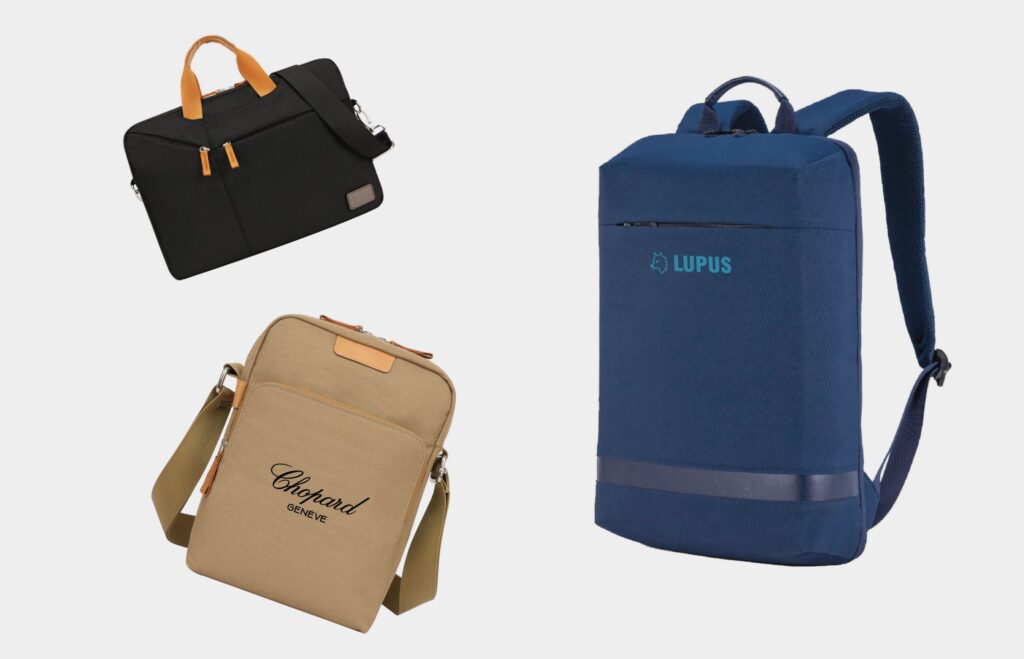
That backpack on your shoulder? It might have been a water bottle once.
Sounds surprising, right? But that’s exactly what makes rPET bags so fascinating — and so important.
Across the UAE, brands and businesses are rethinking everyday items like bags, backpacks, and totes. Not because sustainability is trendy, but because it’s necessary. The real question people ask now is:
“Is this product genuinely sustainable — or just marketed that way?”
In this blog, we’ll walk you through the engineering journey of a GRS-certified rPET bag, from discarded plastic bottles to durable, professional-grade backpacks — and why this process matters for corporate sustainability.
Eco-Friendly rPET Bag Technology in the UAE: What’s Actually Different?
Let’s clear up the confusion first.
rPET stands for recycled polyethylene terephthalate — the same plastic used in water bottles, given a second life through advanced recycling and textile engineering.
In the UAE, rPET bag technology has gained traction because it solves multiple problems at once: plastic waste, overproduction, and low-durability promotional bags.
What makes modern rPET bag technology special?
- Closed-loop thinking: Waste bottles are reintroduced into the supply chain instead of ending up in landfills.
- Performance-grade fabric: rPET yarns are engineered to be strong, lightweight, and weather-resistant.
- Lower carbon footprint: Producing rPET fabric uses significantly less energy than virgin polyester.
- Corporate-ready aesthetics: These aren’t “eco-looking” bags — they’re clean, modern, and professional.
Trust signal: According to the Global Recycled Standard, rPET production can reduce energy use by up to 50% compared to virgin PET manufacturing.
Industry insight:
“Sustainability works best when performance isn’t compromised — rPET bags prove you can have both.”
How rPET Material Is Made from Plastic Bottles
This is where the real transformation happens. The journey from bottle to backpack isn’t magic — it’s precision engineering.
Step 1: Collection & Sorting
Used PET bottles are collected and carefully sorted to remove non-recyclable materials, labels, and caps.
Step 2: Cleaning & Shredding
The bottles are washed thoroughly and shredded into small plastic flakes — clean, consistent, and ready for processing.
Step 3: Melting & Extrusion
These flakes are melted down and extruded into fine filaments, which are cooled and stretched into rPET fibers.
Step 4: Yarn & Fabric Creation
The fibers are spun into yarn, then woven or knitted into durable fabric suitable for backpacks, totes, and laptop bags.
Step 5: Bag Engineering & Assembly
The fabric is cut, stitched, reinforced, and finished with zippers, padding, and linings — just like any premium backpack.
Mini story:
On average, 12–20 plastic bottles can be repurposed to create one high-quality rPET backpack. Instead of floating in the ocean, they’re carrying laptops to meetings.
What GRS Certification Really Means (And Why It Matters)
You’ve probably seen “recycled” labels before.
But GRS certification is what separates claims from proof.
Global Recycled Standard (GRS) certification ensures:
- Verified recycled content
- Full supply-chain traceability
- Responsible environmental practices
- Ethical working conditions
In short, it confirms that the bag isn’t just recycled — it’s responsibly recycled.
For UAE businesses, GRS certification matters because it supports ESG goals, sustainability reporting, and brand transparency.
How to Choose rPET Bags That Deliver Real Impact
If you’re considering rPET bags for corporate use, events, or branding, here’s how to make the choice count:
- Ask for certification.
GRS documentation matters — don’t settle for vague eco claims. - Evaluate durability.
A sustainable bag should last years, not weeks. - Think beyond giveaways.
Backpacks, laptop bags, and premium totes get daily use — and daily visibility. - Customize responsibly.
Minimal, tasteful branding keeps the bag usable beyond one event. - Work with experienced suppliers.
Quality rPET engineering requires expertise, not shortcuts.
Quick Takeaway Box
One rPET bag doesn’t just replace plastic — it replaces the idea that sustainability has to look or feel inferior.
Conclusion: A Better Bag Tells a Better Story
The journey from bottle to backpack is more than a manufacturing process.
It’s a statement — about responsibility, innovation, and thoughtful design.
For businesses in the UAE, choosing GRS-certified rPET bags means turning waste into value, and everyday products into visible proof of sustainability commitments.
Explore Avocado Advertising’s range of eco-friendly rPET bags — engineered for durability, designed for impact, and built to carry more than just essentials.
FAQs
What does rPET stand for?
rPET means recycled polyethylene terephthalate, made from used plastic bottles.
How many bottles are used to make an rPET backpack?
Typically between 12 and 20 bottles, depending on size and fabric weight.
What is GRS certification?
The Global Recycled Standard verifies recycled content, ethical practices, and supply-chain transparency.
Are rPET bags durable?
Yes — modern rPET fabrics are engineered to match or exceed virgin polyester strength.
Why are rPET bags popular for corporate gifting in the UAE?
They combine sustainability, durability, and professional design — ideal for ESG-aligned branding.